Understanding child behavior is crucial for parents, educators, and caregivers alike. Children express themselves in diverse ways, and their actions often reflect their emotions, experiences, and development stages. By recognizing the nuances of child behavior, adults can foster healthier environments that promote growth and learning.
From tantrums to laughter, every behavior tells a story. It’s essential to decode these signals to address underlying needs effectively. This article delves into the various factors influencing child behavior, offering insights and strategies to help navigate the complexities of raising and teaching children. With the right tools, adults can cultivate positive behavior and nurture emotional intelligence in the young ones they care for.
Understanding Child Behavior
Understanding child behavior plays a critical role in promoting healthy development and emotional well-being. Recognizing the underlying factors influencing children’s actions leads to better support from parents, educators, and caregivers.
The Importance of Studying Child Behavior
Studying child behavior highlights its role in reflecting emotions, needs, and developmental stages. Observing behaviors provides insights into a child’s emotional state, enabling adults to respond appropriately. For example, frequent tantrums may indicate frustration or unmet needs, while withdrawal may signal anxiety or sadness. Understanding these patterns fosters effective communication and strengthens relationships. Moreover, research shows that early intervention, based on behavioral observation, can lead to improved outcomes in emotional regulation and social skills.
Key Factors Influencing Child Behavior
Several key factors influence child behavior, including:
- Developmental Stages: Each stage of development presents unique milestones. Infants display attachment behaviors, while toddlers assert independence through defiance.
- Emotional Environment: A supportive emotional environment promotes security. Children exposed to negativity or instability may exhibit behavioral issues.
- Parental Influence: Parental modeling and responses greatly impact behavior. Consistent discipline and reinforcement encourage positive behaviors.
- Social Interactions: Peer relationships influence behavior significantly. Children learn cooperation, conflict resolution, and empathy through interactions with peers.
- Cultural Context: Cultural norms shape expectations for behavior. What is considered appropriate in one culture may differ in another, affecting how children express themselves.
By examining these factors, adults can develop tailored strategies that nurture positive behavior in children.
Common Types of Child Behavior
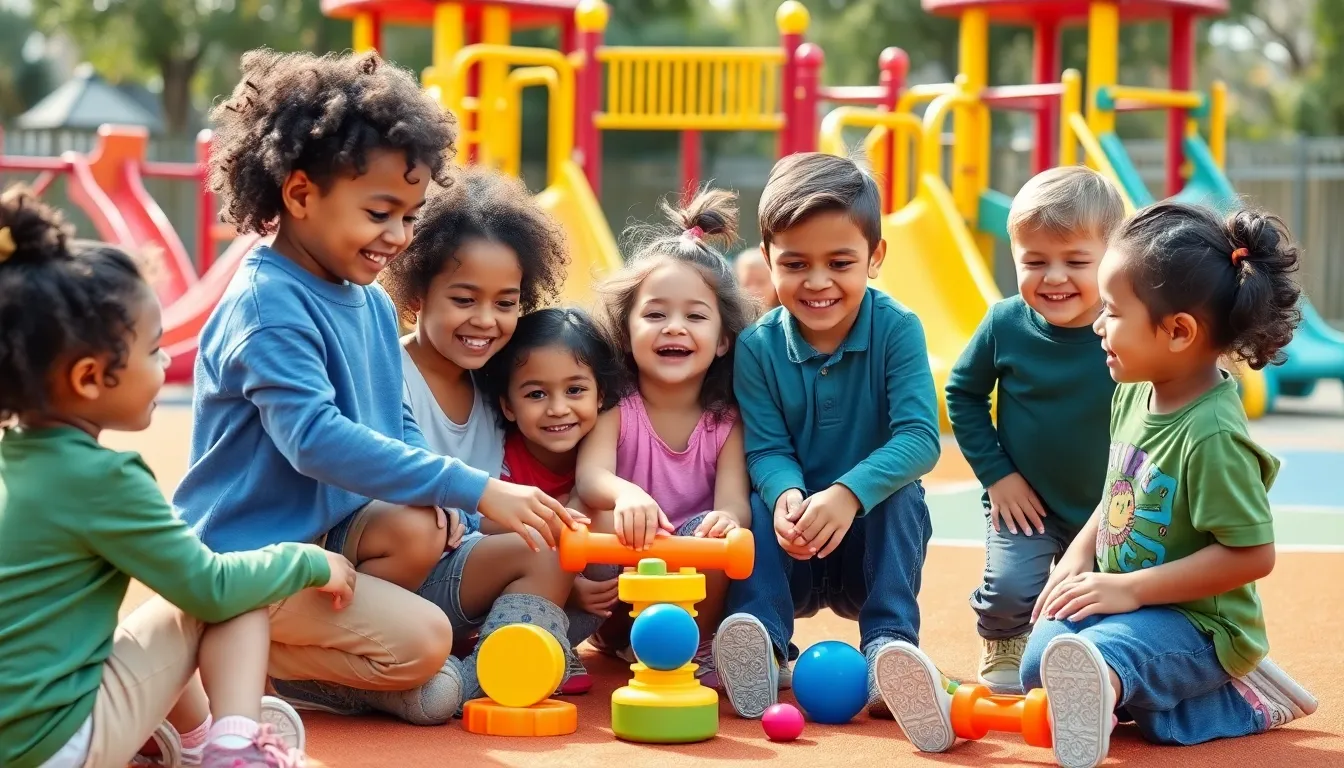
Understanding the various types of child behavior helps caregivers identify appropriate responses. Positive and negative behaviors exist across all developmental stages, each signaling different needs and emotions.
Positive Behaviors
Positive behaviors exhibit a child’s ability to express affection, cooperation, and empathy. Examples include:
- Sharing: A child sharing toys or snacks demonstrates social skills and a willingness to cooperate.
- Complimenting: A child offering kind words to peers reflects emotional awareness and support.
- Following Instructions: A child responding to requests shows respect for authority and understanding of boundaries.
- Playing Collaboratively: A child engaging in group play emphasizes teamwork and relationship-building skills.
- Expressing Gratitude: A child saying “thank you” highlights appreciation and social etiquette.
These behaviors promote emotional well-being and foster healthy relationships with peers and adults.
Negative Behaviors
Negative behaviors indicate a child’s struggles with emotions or environmental factors. Examples include:
- Tantrums: Outbursts of anger or frustration usually signify unmet needs or lack of emotional regulation.
- Aggression: Hitting or pushing often indicates a child’s inability to cope with conflict or strong feelings.
- Defiance: Refusing to follow instructions may reflect a need for autonomy or a test of boundaries.
- Withdrawn Behavior: Avoiding social interactions suggests discomfort in social settings or anxiety.
- Excessive Crying: Frequent crying signals stress, frustration, or the need for attention.
Recognizing these behaviors allows caregivers to provide necessary support and interventions, fostering healthier emotional development.
The Role of Environment in Child Behavior
The environment plays a crucial role in shaping child behavior. Various settings, such as family dynamics and educational environments, significantly impact children’s actions and emotional responses.
Family Dynamics
Family dynamics strongly influence a child’s behavior. Different factors contribute to this influence, including parenting styles, sibling interactions, and communication patterns.
- Parenting Styles: Authoritative parents typically foster independence, self-discipline, and social competence in children. In contrast, authoritarian styles may result in increased anxiety and lower self-esteem.
- Sibling Interactions: Siblings can serve as role models, providing opportunities for social learning, conflict resolution, and sharing. Positive relationships among siblings promote cooperation and emotional regulation.
- Communication Patterns: Open and supportive communication within families encourages children to express their emotions, enhancing their emotional intelligence.
Educational Settings
Educational settings also play a vital role in child behavior. These environments provide daily interactions that affect socialization and emotional development.
- Teacher Relationships: Trusting relationships with teachers promote engagement and motivation, while a lack of connection can lead to disengagement and behavioral issues.
- Peer Influence: Positive peer interactions contribute to a child’s ability to navigate social situations, fostering skills such as empathy and teamwork. Negative peer interactions can lead to bullying or isolation, impacting emotional well-being.
- Learning Environment: A supportive and inclusive learning environment encourages exploration and creativity. Conversely, a rigid or punitive environment can stifle a child’s natural curiosity and lead to disruptive behaviors.
Strategies for Managing Child Behavior
Effective strategies exist for managing child behavior, focusing on reinforcement, consistency, and routine. These approaches foster positive emotional development and encourage appropriate behavior.
Positive Reinforcement Techniques
Positive reinforcement encourages desired behaviors by rewarding them. Techniques include:
- Verbal Praise: Offering specific compliments helps children understand what they did well.
- Tangible Rewards: Small rewards, such as stickers or tokens, motivate children to repeat good behavior.
- Privileged Activities: Allowing access to preferred activities, like extra playtime or screen time, reinforces positive actions.
- Social Recognition: Highlighting accomplishments during family gatherings or in classroom settings builds self-esteem and a sense of community.
Using positive reinforcement consistently instills a sense of achievement in children, shaping their future behaviors and interactions.
Consistency and Routine
Establishing consistency and routine provides children with a sense of stability. Important points include:
- Set Clear Expectations: Clearly defined rules help children understand acceptable behavior and consequences.
- Regular Schedule: A structured daily routine fosters security, making transitions smoother and reducing anxiety.
- Consistent Responses: Responding consistently to both positive and negative behaviors helps children learn the outcomes of their actions.
- Predictable Environment: Maintaining a stable environment minimizes surprises, allowing children to focus on positive interactions.
Implementing these strategies promotes better behavior, emotional regulation, and a more harmonious living and learning environment.
Understanding child behavior is crucial for fostering emotional well-being and healthy development. By recognizing the factors that influence behavior and implementing effective strategies, caregivers can create supportive environments that nurture children’s growth. Positive reinforcement and consistent routines play a vital role in guiding children toward desirable behaviors. Additionally, being attuned to emotional signals allows adults to respond appropriately, strengthening relationships and enhancing emotional intelligence. Ultimately, a proactive approach to understanding and managing child behavior leads to improved outcomes in both social skills and emotional regulation, paving the way for a brighter future for children.